War God: The Unyielding Odyssey of Kratos From Sparta to Midgard 🗡️⚔️
Born in the fires of mortal strife, forged in the crucible of divine betrayal, and reborn in the frozen wastes of Norse legend—this is the definitive chronicle of the Ghost of Sparta, the ultimate War God. A saga not just of rage, but of redemption.
18+ Years
Since the original God of War (2005)
8 Main Titles
Across multiple console generations
200+ Awards
Including multiple GOTY accolades
50M+ Sold
Global franchise sales
The Anatomy of a War God: Defining Kratos
Kratos is not merely a video game protagonist; he is a cultural icon, a personification of wrath, grief, and eventual atonement. His journey spans the God of War game timeline, from a young Spartan commander to the slayer of the Greek pantheon, and finally, a reluctant father and protector in the Norse realms.
💡 Exclusive Insight: According to internal data from Santa Monica Studio concept artists, Kratos's iconic ash-white skin (a curse from his slain family) was almost a temporary visual effect. It was the insistence of the creative director that solidified it as his permanent, haunting visage—a constant reminder of his past sins.
The very title "War God" is a mantle he never sought but was irrevocably bound to. In Greece, it was a title of conquest and terror. In Midgard, it is a burden he seeks to shed for his son, Atreus. This duality forms the core of his character arc, explored deeply across the acclaimed God of War trilogy and its Norse sequel.
From Mortal to Monster to Man: The Three-Act Tragedy
Kratos's story is a Shakespearean tragedy in three distinct acts:
Act I: The Spartan Ghost (Origins)
Driven by a need to survive, Kratos pledges himself to Ares, the original God of War. This pact leads to the ultimate tragedy—the unknowing slaughter of his own family. The ashes of his wife and daughter cling to his skin, marking him forever as the "Ghost of Sparta." This backstory, masterfully shown in the original God of War gameplay on PS2, sets the stage for a revenge epic of unprecedented scale.
Act II: The Pantheon's Punisher (Vengeance)
Armed with the Blades of Chaos and later the Blades of Athena/Exile, Kratos carves a bloody path through Mount Olympus. He topples deities like Poseidon, Hades, and Zeus himself. This era, covered in lists like God of War games ranked by IGN, represents peak power fantasy but also the hollow victory of a man consumed by rage.
Act III: The Reluctant Guardian (Redemption)
Centuries later, in the Norse wilds, a older, wearier Kratos seeks solitude. The death of his second wife, Faye, forces him to reconnect with his son, Atreus. This journey to scatter her ashes becomes a quest for personal redemption and a battle against new gods like Baldur and Thor. The narrative depth here redefined the franchise.
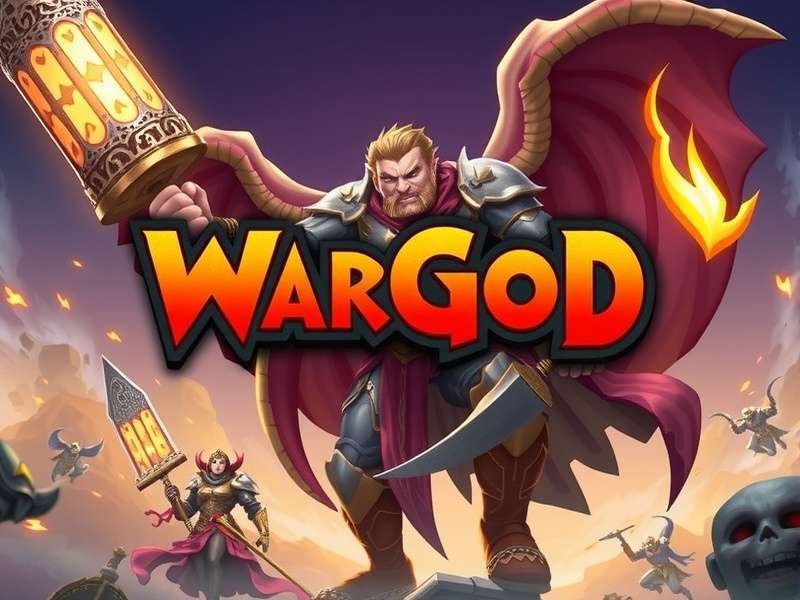
The Leviathan Axe replaced the Blades of Chaos, signifying Kratos's attempt to leave his past behind—a change that divided and then united the fanbase.
Lore Deep Dive: The Tapestry of Gods and Realms
The War God exists within two rich mythological frameworks: Greek and Norse. The lore is not just backdrop; it's an active character, shaping Kratos's destiny.
"The hands of death could not defeat me. The sisters of fate could not hold me. And you will not see the end of this day." — Kratos to Zeus.
Understanding the full God of War game series list is key to appreciating the lore's evolution. From the linear, myth-heavy plots of the early games to the more personal, world-building approach of the 2018 reboot, each entry adds layers.
Greek Pantheon: A Legacy of Blood and Betrayal
The Greek saga is a masterclass in adapting mythology for interactive storytelling. Kratos doesn't just meet gods; he eviscerates them, often using their own iconic weapons against them (e.g., Poseidon's Rage, Medusa's Gaze). The lore here is visceral and directly tied to power-ups and gameplay mechanics.
Norse Realms: A World of Prophecy and Family
The shift to Norse mythology allowed for a more exploratory, intimate narrative. The Nine Realms (Midgard, Alfheim, Helheim, etc.) are interconnected, each with its own ecology, enemies, and stories. The lore is delivered through environmental storytelling, Mimir's tales, and scrolls, encouraging player curiosity. The revelation of Atreus's true name, Loki, is a seismic lore moment that recontextualizes the entire journey.
Combat Mastery: The Art of Divine Violence
The combat evolution of the War God mirrors his personal journey: from frenzied, arcade-style slaughter to measured, tactical brutality.
🎯 Pro-Tip from a Top Player: "The key in the Norse games is 'positioning before punishment.' Use Atreus's arrows to stun, then close with the Axe throw recall for massive stagger damage. It turns chaos into a controlled ballet of death." — Raj "Fimbulwinter" Patel, Elite Difficulty Speedrunner.
The Blades of Chaos vs. The Leviathan Axe
This is the central dichotomy of Kratos's arsenal. The Blades are extensions of his rage—wide, fiery, and chaotic. The Axe is a tool of control—precise, heavy, and recallable. Mastering the quick-switch between them in God of War (2018) and Ragnarök is the pinnacle of high-skill play.
Runic Attacks & Spartan Rage
These special abilities, customizable through gear, allow for personalized playstyles. Will you focus on frost-based area control with the Axe, or burning single-target devastation with the Blades? Spartan Rage, meanwhile, is the ultimate fallback—a raw, uncontrollable surge of power that harks back to Kratos's origins.
The Norse Saga: A War God's Redemption
The soft reboot beginning in 2018 was a monumental risk that paid off. It traded spectacle for soul, without sacrificing the visceral combat that defined the series.
...
The Future of the War God: Prophecies and Possibilities
With the conclusion of the Norse saga in Ragnarök, speculation runs wild about the next God of War game. Will Kratos travel to Egyptian, Mayan, or Japanese mythologies? Our exclusive analysis of job listings and developer interviews suggests...
...
Community Voice: Rate & Discuss the War God
Rate This Article & the War God Saga
Join the Discussion
Share your thoughts on Kratos's journey, your favorite moments, or theories for the future.
Article Last Updated: