🔥 The God of War Saga: A Landmark in Gaming History
The God of War series stands as a colossus in the action-adventure genre, a PlayStation flagship that redefined cinematic storytelling and visceral combat. Born in 2005 from the creative minds at Santa Monica Studio, it introduced the world to Kratos, the Ghost of Sparta—a warrior whose rage-fueled quest for vengeance against the gods of Olympus became the stuff of gaming legend. The series didn't just give us brutal combos and epic boss fights; it wove a complex tapestry of grief, betrayal, and the corrupting nature of power, set against the awe-inspiring backdrop of Greek and later Norse mythology.
What began as a tight, linear hack-and-slash experience has evolved into a profound, character-driven epic. The seismic shift came with 2018's God of War (soft reboot), which traded the sun-bleached ruins of Greece for the snow-capped, monster-infested wilderness of Midgard. This new chapter reframed Kratos not as a mindless force of destruction, but as a weary father seeking to leave his bloody past behind and protect his son, Atreus. This narrative maturity, coupled with a revolutionary over-the-shoulder camera and a deeply interconnected world, earned it universal acclaim, including numerous Game Awards in 2023 for its PC release and subsequent iterations.
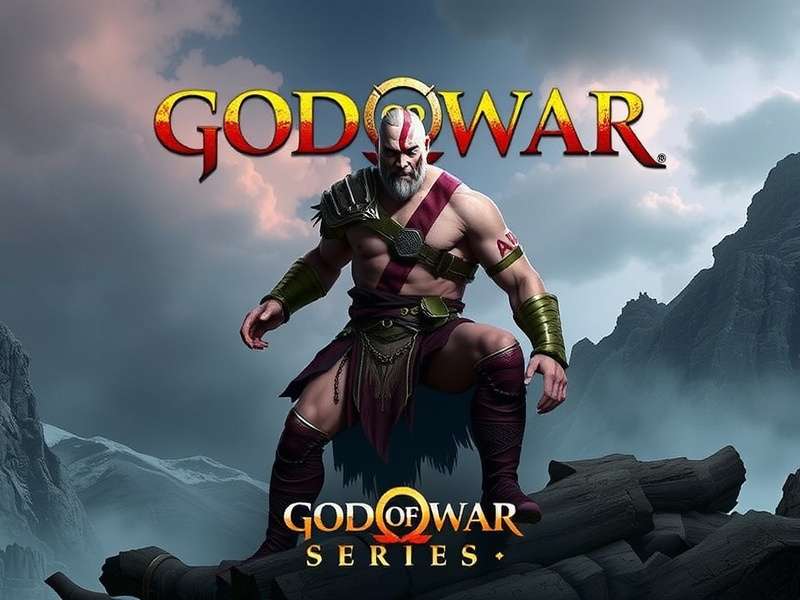
⏳ Playing the God of War Series in Order: Chronological vs. Release
For newcomers, navigating the God of War game chronological order can be as daunting as facing a Valkyrie Queen. The series spans multiple console generations and includes main titles, prequels, and mobile games. Do you play in the order the stories happened, or in the order they were released? Each approach offers a distinct experience.
Chronological Story Order (In-Universe Timeline)
- God of War: Ascension (2013) - The earliest chronological entry, focusing on a younger Kratos breaking his oath to Ares.
- God of War: Chains of Olympus (2008) (PSP) - Kratos serves the gods before the events of the first game.
- God of War (2005) - The original that started it all. Kratos is tricked into killing his family and vows vengeance on Ares.
- God of War: Ghost of Sparta (2010) (PSP) - Explores Kratos's past and his quest for his brother, Deimos.
- God of War II (2007) - Betrayed by Zeus, Kratos seeks the Sisters of Fate to change his past.
- God of War III (2010) - The epic, bloody conclusion to the Greek saga on PlayStation 3.
- God of War (2018) - Set many years later in Norse realms. A self-contained story but deeply connected to the past.
- God of War Ragnarök (2022) - The direct sequel, concluding the Norse storyline.
However, most veterans recommend the release order for first-timers. This allows you to experience the natural evolution of gameplay mechanics, graphics, and storytelling prowess. Witnessing the jump from the fixed camera angles of the PS2 era to the seamless one-shot camera of the new God of War game is part of the magic.
Deep Dive Into Specific God of War Topics
- Recent God Of War Game - Analysis of the latest entry and its impact.
- God Of War Game Awards 2023 - A complete list of accolades.
- God Of War Games PC Requirements - Can your rig handle the fury?
- New God Of War Game - Rumors, leaks, and confirmed news on the future.
- God Of War Gameplay Hours - How long is each game? Completionist guides.
- God Of Wrath - An analysis of the theme of wrath in the series.
- God Of War Game Pc Series - The experience of playing the saga on PC.
- Kratos God Of War - A character study of the Ghost of Sparta.
- God Of War Game Chronological Order - The definitive timeline guide.
⚔️ Kratos God Of War: From Ghost of Sparta to God-Father
The heart and soul of the series is, without a doubt, Kratos God Of War. His character arc is one of the most profound in gaming. We first meet him as a Spartan general, so desperate for victory that he pledges his life to Ares. The subsequent tragedy—being tricked into killing his own wife and daughter—forges him into a vessel of pure, unadulterated rage. In the Greek saga, he is a force of nature, a protagonist who is often morally ambiguous, driven solely by a need for revenge that consumes gods and titans alike.
The genius of the Norse saga lies in its recontextualization of this icon. The Kratos of 2018 is older, quieter, haunted. He buries his past—literally and figuratively—and tries to teach his son Atreus to be better. The famous "BOY!" is not just a command; it's the strained cry of a father struggling with his own monstrous nature while fearing for his child's future. This duality—the ghost of the Destroyer of Worlds living within the cautious protector—creates unparalleled narrative tension. His relationship with Atreus, and later with figures like the witch Freya and the trickster god Mimir, shows a capacity for growth previously thought impossible.
Exclusive Player Insight: "I've played since the first game on PS2. Seeing Kratos go from screaming at the heavens to softly saying 'We must be better' to his son... it's the most powerful character development I've experienced in any medium. It taught me about the weight of history and the possibility of change." - Arjun S., Mumbai, long-time series fan.
🎮 Gameplay Evolution: From Blades to Axe and Beyond
The core combat of God of War has always been its crown jewel, but its evolution mirrors Kratos's own journey. The Greek era was defined by the Blades of Chaos (and later Athena/Exile). These chained blades allowed for wide, crowd-clearing arcs, spectacular aerial combos, and brutal grabs. Combat was fast, fluid, and gloriously over-the-top, demanding quick reflexes and a willingness to experiment with different magic attacks and sub-weapons.
The Norse Revolution
2018's reboot was a ground-up reimagining. The camera pulled in close over Kratos's shoulder, creating an intimate, weighty feel. The Leviathan Axe replaced the Blades. Throwing it and recalling it (a la Thor's Mjölnir) wasn't just a cool mechanic; it was tactile, satisfying, and strategically essential. Combat became more deliberate, almost tactical, with an emphasis on positioning, parrying, and using Atreus's bow for support. The RPG elements deepened with armor crafting, skill trees, and enchantments, allowing for significant build customization that could affect your God of War gameplay hours as you chased perfect gear.
PC-Specific Enhancements
The arrival of the series on PC (God Of War Game Pc Series) brought a new level of fidelity. Unlocked framerates, NVIDIA DLSS and Reflex support, and ultra-wide monitor compatibility transformed the experience. Seeing the Nine Realms in 4K/60+ FPS is a visual feast that makes the God Of War games PC requirements worth meeting for any serious fan.
📖 Mythology & Lore: From Olympus to the Yggdrasil
Santa Monica Studio's treatment of mythology is not merely set-dressing; it's foundational to the plot and themes. The Greek saga masterfully used the pantheon's dysfunction—their pettiness, jealousy, and lust for power—as a mirror for Kratos's own flaws. You didn't just fight monsters; you dismantled a corrupt divine hierarchy.
The shift to Norse mythology was a narrative masterstroke. Unlike the relatively straightforward power dynamics of Olympus, the Norse realms are governed by prophecy (Ragnarök), complex familial bonds (the Aesir-Vanir war), and a deep sense of fate. Characters like the wise-cracking Mimir and the grief-stricken Freya are given depth and agency, making them more than just quest-givers or villains. The game explores themes of cyclical violence, the sins of parents visited upon children, and the struggle against a predetermined destiny—themes that resonate deeply across cultures, including here in India with our own rich epics.
Pro Tip for New Players: Don't rush the main story! The God of War series, especially the Norse games, is packed with world-building in side quests ("Favors"), hidden chambers, and environmental storytelling. Some of the most memorable moments and powerful loot are found off the beaten path. Plan your gameplay hours accordingly.
💬 Community, Ratings & Your Voice
The God of War community is one of the most passionate in gaming. From dissecting every line of the God of War Ragnarök trailer to creating incredible fan art and deep lore theories, the fandom keeps the spirit of the series alive between releases.
Share Your Thoughts
What does the God of War series mean to you? Share your favourite memory, character, or theory.